Contact for Felt Roofing Dulwich
Felt Roofers in Dulwich, call us on ☎️ or use our simple online contact form. Our experienced Dulwich Felt Roofing Team can assist you with any Felting a Flat Roof Extension Dulwich requirements, so please do not hesitate to contact our team on ☎️
Our various Roofing Services Offered to Local Homeowners over recent years in Dulwich
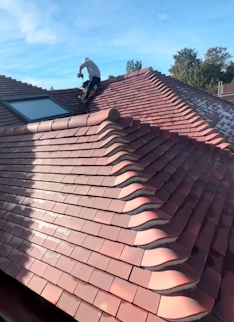
We offer a complete roofing solution to all homeowners in the Dulwich area. We partner with reliable roofing suppliers and manufacturers to provide a host of services including home extensions, loft conversions, painting, decorating, and property maintenance.
Felt Roof Systems for Dulwich Property owners
Felt roofing is a popular choice in the UK for covering flat roofs like sheds, garages, and extensions, because of its affordability and resilience. Constructed with bitumen-saturated materials, it offers a trustworthy waterproofing solution, notably in the UK’s damp climate, with advanced types like torch-on or self-adhesive felt boosting application simplicity and lifespan. The fitting usually involves layering various pieces—base layer, intermediate, and cap sheet—fixed by adhesive or heat, providing resistance against leaks for up to 20 years if properly cared for, though it falls short in longevity compared to EPDM rubber, which withstand UV damage and storms better.
UK and Felt Roofing
Felt roofing remains one of the most popular and cost-effective roofing solutions throughout the UK, particularly for flat and low-pitched roofs on commercial and residential properties.
CONTACT US
From a contractor’s standpoint, felt roofing provides both challenges and opportunities that roofing companies need to navigate to guarantee quality work, customer satisfaction, and profitability.
This article looks at the key aspects of felt roofing in the UK construction market, including materials, installation processes, regulations, and industry trends affecting businesses specialising in felt roofing.
Felt roofing generally consists of applying layers of bitumen-impregnated felt sheets onto a roof deck to create a waterproof barrier.
Two main types exist:
- Traditional (Torch-on) Felt Roofing: This method applies bitumen felt sheets that are heated with a blowtorch to fix the material to the roof surface.
- Self-Adhesive Felt Roofing: Also called peel-and-stick, this method uses felt with pre-applied adhesive backing, removing the requirement for heating.
Within the UK, felt roofing is frequently applied on flat roofs of commercial buildings, garages, extensions, and occasionally homes.
It is favoured for its cost-effectiveness, ease of installation, and satisfactory performance when installed correctly.
The flat roofing market in the UK is significant.
With ongoing urban development and refurbishment projects, demand for flat roofing materials and services remains steady.
Felt roofing is a preferred choice for many contractors due to:
- Cost-Effectiveness: Felt roofing materials are generally less expensive than alternative flat roofing systems like single-ply membranes or liquid applied roofing.
- Familiarity and Speed: Many roofing companies have considerable experience with felt installations, enabling quick project completion.
- Flexibility: Felt roofing can be tailored to various roof shapes and sizes, making it suitable for a broad range of projects.
Proper felt roofing installation depends on several critical factors roofing companies must address:
1. Preparation
Before installation, the roof deck must be clean, dry, and structurally sound. Existing roofing material may need to be removed or checked for compatibility.
2. Materials
Choosing the correct felt is important. Traditional torch-on felts are usually multi-layered (base layer and cap sheet), each with differing specifications. Self-adhesive felts are easier to apply but can be restricted to smaller projects or specific roof conditions.
3. Skill and Safety
Torch-on felt application requires skilled operatives to safely handle the blowtorch and correctly apply the material. Safety is critical due to fire risks. Roofing firms must invest in training and certification to ensure their workforce is competent.
4. Weather Conditions
The UK’s unpredictable weather can affect installation schedules. Felt roofing generally requires dry weather for optimum adhesion. Companies must plan work around weather forecasts to avoid poor installations.
5. Quality Control
Ensuring felt is laid without wrinkles, bubbles, or gaps is essential to prevent leaks. Skilled installers use appropriate methods such as overlapping layers and sealing edges and penetrations properly.
6. Compliance and Warranty
Roofing contractors need to adhere to British Standards (BS 6229 for flat roofs) and manufacturer instructions. Providing warranties on workmanship and materials helps reassure clients and protects the company.